

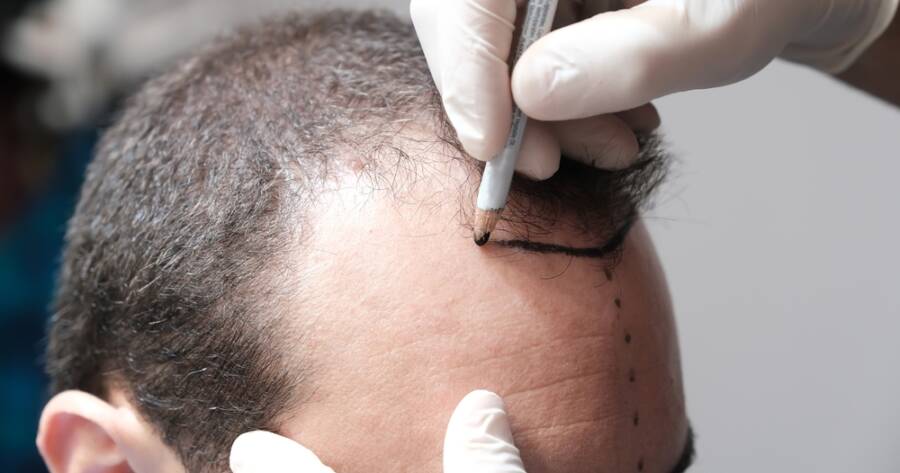
Hair transplants offer a lasting solution to hair loss, boasting increased popularity among men and women alike. Procedures such as Follicular Unit Transplantation (FUT) and Follicular Unit Extraction (FUE) differ in technique, time, and cost. Consideration of key factors, alongside recovery expectations and insurance coverage, is vital for choosing the most suitable path to hair restoration.
Understanding Hair Transplants
Hair transplants have emerged as a popular solution for addressing hair loss, providing long-lasting results for both men and women. These procedures involve relocating healthy hair follicles to balding or thinning areas, primarily targeting hair loss caused by aging, genetics, or certain medical conditions. Although hair transplants are highly effective, potential patients often inquire about the duration of the procedure and its overall cost.
Types of Hair Transplant Procedures
There are two main types of hair transplant surgeries: Follicular Unit Transplantation (FUT) and Follicular Unit Extraction (FUE). Each method has unique procedural differences and associated costs. FUT involves removing a strip of scalp from the donor area, leaving a linear scar, while FUE extracts individual hair follicles using a punch tool, which tends to be more time-consuming than FUT.
According to industry research and data from organizations tracking hair restoration procedures in 2024, the global total number of hair transplant surgeries is estimated in the millions, reflecting steady growth across regions. For example, one analysis indicates that around 4.3 million hair transplant procedures were performed globally in 2024, showing significant industry expansion compared with earlier years.
Cost Considerations
The cost of hair transplant surgery can vary widely, with most procedures falling in the $6,000 to $12,000 range on average, though some cases may exceed $15,000 depending on the number of grafts and other variables. Hair transplant pricing is influenced by several key factors, including the technique used (such as FUT versus FUE), the number of grafts needed, and the experience of the surgeon.
Geographic location also plays an important role, as clinics in larger metropolitan areas tend to charge more than those in smaller cities or regions. In addition to the basic surgical fee, patients may incur separate charges for consultation fees, facility use, pre- and post-operative care, and any travel or lodging costs associated with receiving treatment away from home.
Duration and Recovery Period
The duration of a hair transplant session is typically 4 hours or more per session, depending on the method and number of grafts involved. Full results may not be visible for 6 to 12 months after the procedure, requiring patience during the healing and growth phase.
Post-operative care is critical for achieving successful results. Patients need to follow specific instructions laid out by their surgeon, which may include avoiding strenuous activities and taking prescribed medications or using topical solutions like Minoxidil to enhance growth and prevent infection.
Insurance and Alternative Treatments
Generally, hair transplant procedures are not covered by insurance due to their cosmetic nature. An exception may occur if hair loss is due to a medical condition such as burns or scarring. Alternatives to surgical options include medications like minoxidil, which can provide less invasive results at a lower price point. Other non-surgical alternatives are laser therapy and platelet-rich plasma (PRP), but these are not typically covered by insurance.
Why You Should Learn More About Hair Transplants Today
With their increasing popularity and potential to provide long-term solutions to hair loss, understanding hair transplants can help you make informed decisions regarding this treatment option. The pros and cons of surgical methods like FUT and FUE, alongside alternative treatments, highlight the necessity for professional consultation to assess suitability and expectations. With varied techniques, duration, and cost implications, exploring all aspects of hair transplants can prepare individuals for the path to restored confidence and improved quality of life. Consulting with an experienced specialist ensures personalized treatment plans tailored to individual needs, paving the way for optimal results in hair restoration.